
Cedar Wood Siding in Kent, WA
The Honest Case for Cedar Wood Siding in the Pacific Northwest
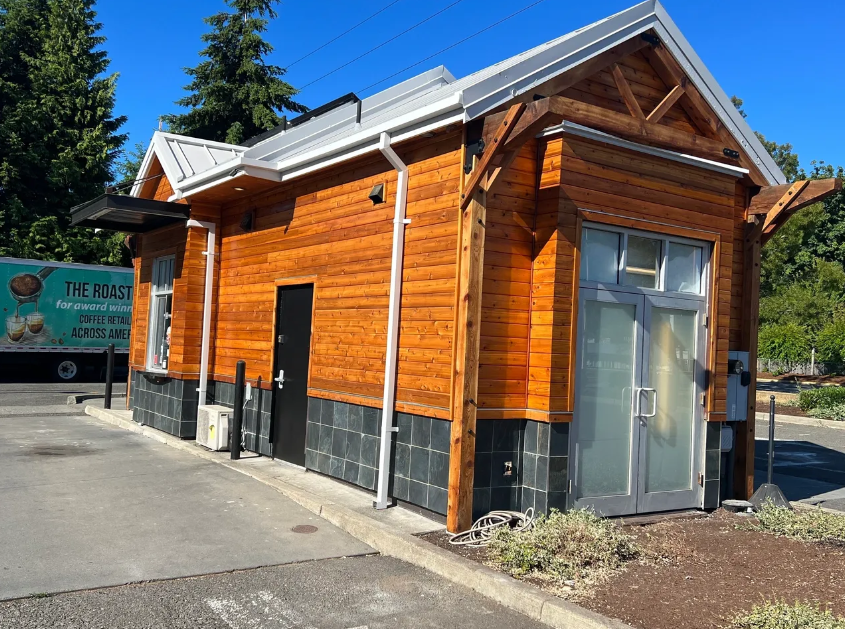
Why Choose Cedar Wood Siding
Rot and Insect Resistance
Western red cedar contains natural oils that resist rot, moisture absorption, and insects. This is not a mill treatment but a property of the wood itself, which is why cedar has clad Pacific Northwest homes for over a century.
Stability in Wet Climates
Cedar is one of the most dimensionally stable softwoods for exterior use. It swells and shrinks less with moisture changes, so joints move less, fewer gaps open for water, and the finish lasts longer through long wet seasons.
Stain or Paint Flexibility
Cedar accepts both stain and paint, an option factory-finished fiber cement does not offer. Penetrating stains wear away gradually instead of peeling, while paint gives a more uniform look but needs more prep at each recoat.
Authentic Wood Character
Bevel, tongue-and-groove, board-and-batten, and shiplap cedar profiles carry natural grain and texture that composite and fiber cement only imitate. When real wood is part of the design intent, the difference is visible.
Natural Thermal Performance
Wood is a natural insulator, so cedar adds a modest amount of insulating value to the wall assembly. It reduces heat transfer compared with many non-wood cladding materials, supporting a more comfortable home year-round.
Cedar Wood Siding Profiles and Styles
Bevel Lap Siding
A classic Pacific Northwest cedar profile. Wedge-shaped boards run horizontally, each overlapping the one below, for a timeless craftsman and bungalow look. Available in smooth and rough-sawn textures.
Best for
Traditional homes, craftsman architecture, and full re-sides replacing existing lap siding.
Board and Batten
Wide vertical boards with narrow battens covering the seams. The strong vertical lines suit contemporary homes and modern farmhouse designs, and work well as an accent on upper stories or gable ends.
Best for
Modern and contemporary architecture, vertical siding applications, and accent areas.
Tongue and Groove
Interlocking boards that fit together without exposed seams, installed horizontally or vertically for a tight, clean look. The joint must be fitted carefully to allow for wood movement and manage moisture.
Best for
Covered exterior areas, soffits and porch ceilings, and contemporary applications.
Shiplap Siding
Boards with a rabbeted edge that form a flat, tight joint with a subtle shadow line. Shiplap works horizontally or vertically and has become a popular choice for both traditional and modern homes.
Best for
Clean-lined contemporary homes, accent walls, and areas where a flat profile is preferred.
Stain vs. Paint on Cedar Siding: What the Pacific Northwest Climate Tells Us
Solid-Color Stain
Solid-color stain soaks into the wood and forms only a thin, breathable layer. In Kent's wet climate it wears away gradually instead of peeling, so recoating means cleaning and reapplying, not a full scrape and repaint. It gives full color coverage while letting the wood grain show through slightly.
Best for
Lower-effort recoats, rough-sawn cedar where stain bonds best, and new cedar installations.
Exterior Paint
Paint builds a film on the cedar surface for a fully opaque, uniform finish. Applied over a stain-blocking primer, which prevents tannin bleed-through on lighter colors, it lasts longer than stain. The tradeoff is that failing paint peels rather than wears, so recoating requires more surface prep.
Best for
The longest interval between recoats and a solid, uniform finish with no wood texture showing.
Our Recommendation
For most new cedar siding installations in Kent, we recommend a solid-color acrylic stain over a quality stain-blocking primer. For existing cedar in sound condition that has been painted before, we recommend a 100% acrylic exterior paint. We walk through both options in detail during every cedar siding estimate.
Careful Installation for Long-Term Performance
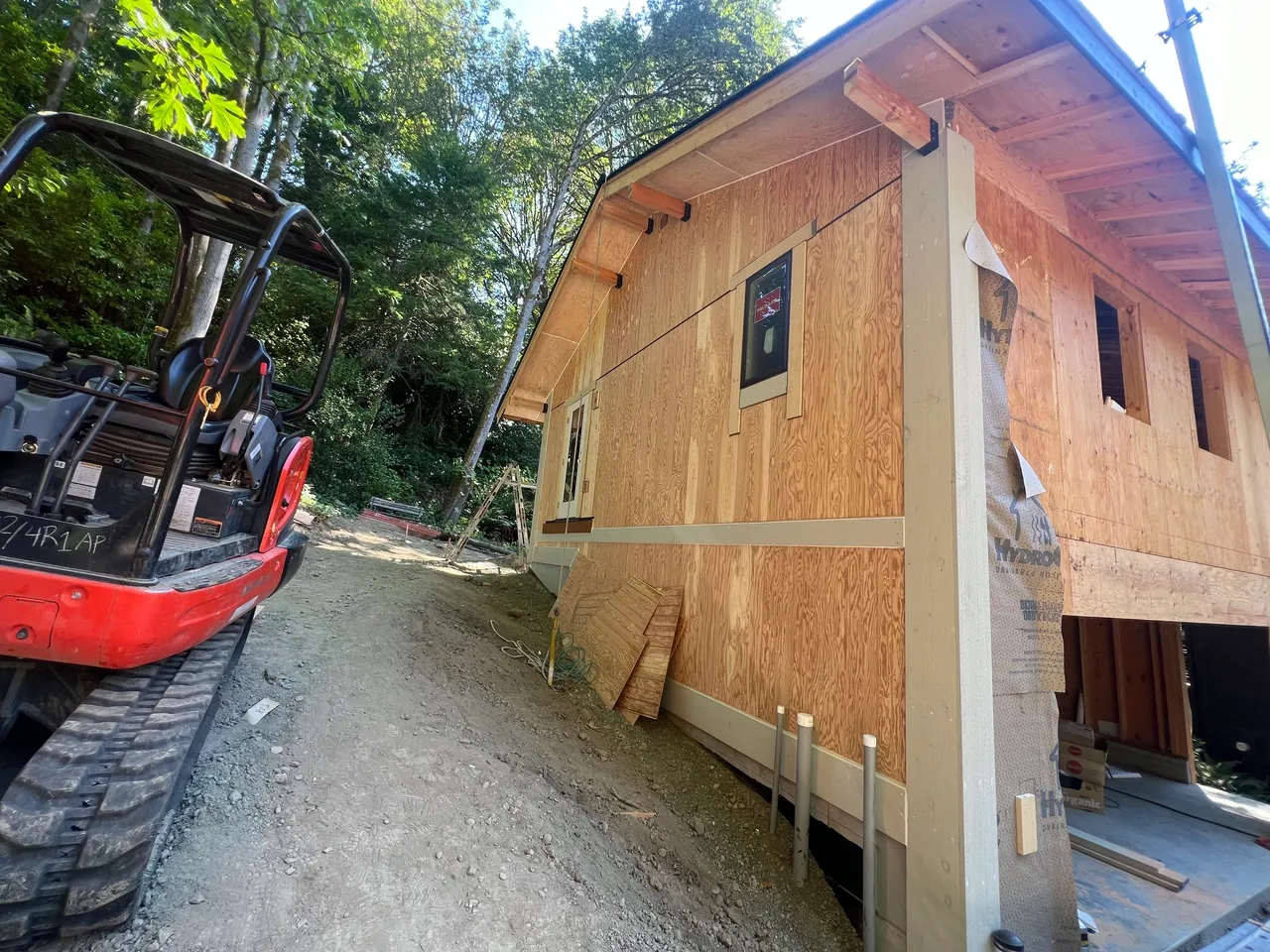
The installation details that matter most for cedar in this climate:
Pre-Finishing on All Sides
Cedar should be primed or stained on the face, back, and both ends before it goes up. The back and cut ends are the most vulnerable to moisture and impossible to reach later, which is why skipped back-priming often causes failure from behind.
Ground and Grade Clearance
Cedar needs clearance from grade, decking, and any horizontal surface where water can collect against the bottom edge. Contact with soil or standing moisture at the base rots the bottom courses, no matter how good the cedar quality is.
Expansion Gaps and Joints
Cedar moves as moisture levels change, and boards installed without proper expansion gaps can buckle when wet. Vertical joints also need correct treatment so water does not wick through the connection and into the wall behind the siding.
Corrosion-Resistant Fasteners
Natural tannins in cedar react with uncoated steel, leaving dark stains at nail heads within the first wet season. We use stainless steel or hot-dipped galvanized fasteners on every cedar installation to keep the finish clean for years.
Planning a cedar siding project? Get a clear, itemized quote from a local Kent crew.
Free Estimate
Serving Kent and King County Homeowners
Reviews


Frequently Asked Questions
Answers to Common Questions About Cedar Siding Installation, Maintenance, and Cost in Kent, WA
How long does cedar siding last in the Pacific Northwest?
With proper installation and regular maintenance, cedar wood siding in Kent’s climate typically lasts 20 to 30 years. Well-maintained cedar with high-quality finishing has been documented lasting up to 40 years or more. The lifespan shortens significantly without regular recoating — cedar that goes five or more years without maintenance in a wet climate will begin developing surface checking, mold growth, and rot at vulnerable points well before the end of its expected life.
Is cedar siding high maintenance?
Compared to James Hardie fiber cement or composite siding, yes — cedar requires more regular attention. Expect to clean the surface annually, inspect for caulking failures or damaged boards each fall before the wet season, and recoat with stain or paint every 5 to 12 years depending on the finish type and exposure. If you want the look of natural wood without that maintenance commitment, composite siding is worth discussing as an alternative.
Should I stain or paint my cedar siding in Kent?
For new cedar installations, we generally recommend solid-color acrylic stain over a stain-blocking primer. Stain penetrates the wood and wears away gradually rather than peeling, which means recoating is less labor-intensive. Paint lasts longer between recoats but requires more preparation when it does need refreshing. The right choice depends on your maintenance preferences, the condition of the cedar, and whether the surface has previously been painted. We go through both options during the estimate.
How does cedar siding compare to James Hardie fiber cement?
Cedar and James Hardie fiber cement are both strong choices for Kent-area homes, but for different reasons. Cedar offers natural texture, grain character, and thermal value that fiber cement cannot fully replicate. Fiber cement requires significantly less maintenance, carries a 30-year non-prorated warranty, and does not need recoating on the same schedule as wood. Cedar is the better choice for homeowners who prioritize the look of real wood and are committed to maintaining it. Fiber cement is better for homeowners who want the lowest-maintenance exterior option over the long term.
Can you repair or replace individual cedar siding boards without re-siding the whole house?
Yes. Partial cedar siding replacement — replacing damaged, rotted, or failed sections while leaving sound boards in place — is a common service. The key consideration is finish matching: new cedar boards will not match aged and stained existing siding without refinishing the affected area. We assess the scope of any partial replacement and discuss finish matching during the estimate.
What is the best cedar profile for homes in Kent?
Bevel siding (lap siding) is the most common profile in Kent-area homes and the easiest to maintain because the overlapping installation naturally sheds water. Board-and-batten is increasingly popular for contemporary and modern farmhouse-style homes in King County. The right profile depends on your home’s architecture and the look you want — we go through all available options during the estimate.
Are you licensed and insured for cedar siding installation in Washington State?
Yes. Smith Exteriors LLC is a licensed, bonded, and insured Washington State contractor. Our registration number is SMITHEL789PE, verifiable through the Washington State Department of Labor and Industries contractor lookup tool.