
Wood Composite Siding in Kent, WA

The look of natural wood with significantly less upkeep. We install wood composite siding in Kent built to handle Pacific Northwest moisture without the maintenance demands of real cedar.

Modern Siding with the Look of Natural Wood
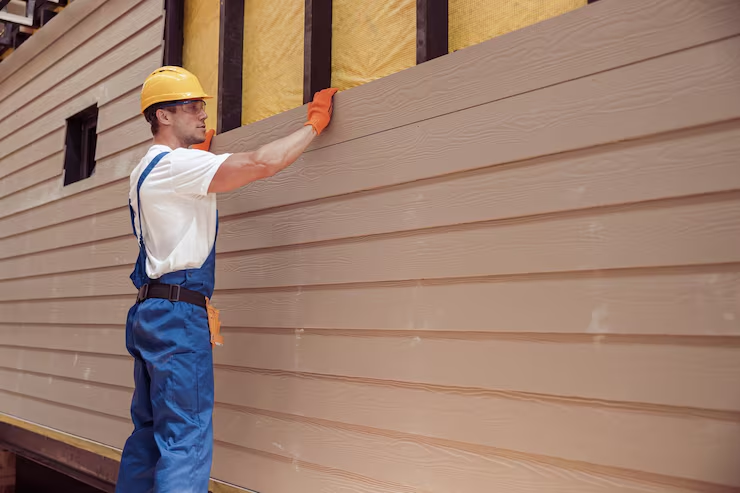
Wood composite siding exists for a specific type of homeowner: one who wants the warmth and visual character of natural wood on their home’s exterior, but does not want to commit to the maintenance schedule that real cedar demands. In Kent, that is a meaningful distinction. Cedar siding in this climate needs to be sealed or restained every five to seven years. Missing a maintenance cycle — or buying a home where the previous owner missed one — means dealing with surface checking, mold growth, and rot at vulnerable points before the siding reaches the end of its expected lifespan. For homeowners who prioritize the wood aesthetic but not the ongoing upkeep, composite siding closes that gap. Wood composite siding is manufactured from wood fibers and resins compressed into boards and finished with a surface layer that replicates the grain and texture of natural wood. It is lighter than fiber cement, installs with the same tools used for real wood, and requires significantly less finish maintenance than cedar because the surface is factory-engineered to resist moisture absorption, paint peeling, and the surface degradation that natural wood develops in wet climates. It is not the lowest-maintenance option available — James Hardie fiber cement carries that distinction. And it is not the premium natural material — cedar is. Wood composite siding is the honest middle-ground: it sits between those two options in cost, performance, and maintenance requirement. For the right homeowner, it is the right answer.

Benefits of Wood Composite Siding

Composite siding is engineered to resist common issues like warping, cracking, and rot. It holds paint and finishes well, helping maintain a consistent appearance over time. Many homeowners choose this option for its combination of strength, stability, and the ability to achieve a wood-inspired exterior without the upkeep associated with traditional materials.
  • Moisture Resistance by Design

    Engineered wood fibers, resin binders, and a factory-treated surface resist moisture far better than natural wood. That limits the swelling, checking, and finish failure cedar develops through wet-dry cycles in Kent's climate.

  • Lower Long-Term Upkeep

    Cedar's carrying cost includes regular restain or repaint cycles, each adding labor and materials. Composite's factory-treated surface holds a finish longer than raw cedar, so full recoats are needed less often over its life.

  • Consistent, Uniform Boards

    Manufactured boards come in long, uniform lengths that reduce butt joints across a wall, which means fewer sealing points and a cleaner look. There are no knots, grain flaws, or density swings like natural cedar can have.

  • Lighter Than Fiber Cement

    Wood composite is much lighter than fiber cement, which makes handling and installation easier and reduces the load on the wall assembly. That can be an advantage on older homes where heavier cladding needs more review.

  • Authentic Wood Profiles

    Composite comes in lap, board-and-batten, and shingle profiles, with surface textures that closely mimic cedar grain. It gives homeowners the visual warmth of wood on homes where real cedar is not the right fit for the project.

Wood Composite vs. Cedar vs. Fiber Cement: What Kent Homeowners Should Know

Choosing siding for a Pacific Northwest home means understanding the real differences between the main options. Here is how wood composite siding positions against the two materials it is most often compared to:
Comparison of cedar, wood composite, and James Hardie fiber cement siding
CompareSiding Materials
Cedar Wood Siding
Wood Composite Siding
James Hardie Fiber Cement
AppearanceAuthenticNatural grain and texture, the real thingClose matchReplicates wood grain closelyAccurateReplicates wood profiles accurately
Moisture resistanceModerateNatural oils help, but real wood absorbs moistureGoodEngineered surface resists moisture better than cedarExcellentResists moisture absorption, rot, and swelling
MaintenanceHighRestain or repaint every 5 to 7 yearsModerateRecoats needed less often than cedarLowLongest interval between repaints
Fire resistanceLowNatural wood is combustibleLow to moderateDepends on product treatmentHighNoncombustible
Product warrantyNonePerformance depends on installation and upkeepVariesDepends on the manufacturer30-yearNon-prorated product warranty
Installed costMid-rangeVaries with profile and gradeMid-rangeComparable to cedarMid to upperHigher upfront, lower upkeep
Best forHomeowners committed to real wood and its upkeepHomeowners who want a wood look with less maintenanceHomeowners prioritizing the lowest long-term maintenance

Professional Installation for Reliable Results
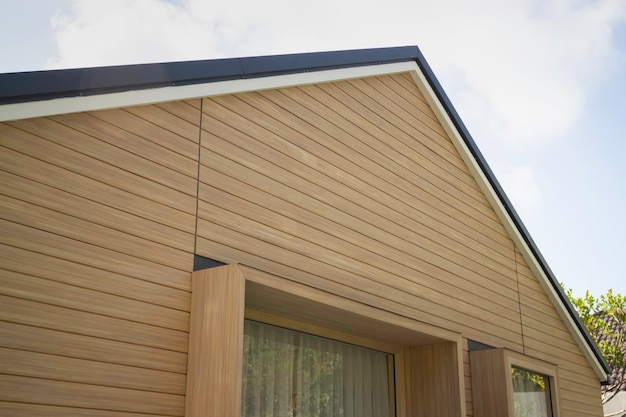
Wood composite siding performs well when installed correctly and underperforms when it does not. The early generations of composite siding products — before the category was reformulated in the early 2000s — failed frequently due to moisture intrusion at installation errors: overdriven fasteners that broke the surface treatment, insufficient clearance from grade, and joints that were not properly sealed. Modern composite siding has addressed many of those formulation issues, but installation quality remains the primary variable that determines how the product performs over its lifespan.At Smith Exteriors LLC, we install wood composite siding in Kent, WA following the same installation discipline we apply to every cladding material we work with.

The installation details that matter most for composite siding in this climate:

  1. Grade and Surface Clearance

    Composite siding needs proper clearance from grade, decking, and horizontal surfaces. Ground contact or standing water at the base keeps the bottom edge wet for long periods, exposing the most vulnerable point of any panel installation.

  2. Correct Fastener Placement

    Composite siding requires the correct fastener type, placement, and drive depth. Overdriven nails can break the surface treatment at the attachment point, opening a moisture path that the factory finish was designed to prevent.

  3. Sealed Joints and Transitions

    We seal every butt joint, penetration, and trim transition to manufacturer specifications. Unsealed joints can let water wick into the wall system at those points, no matter how moisture-resistant the panel surface itself is.

  4. Starter Strip and Flashing

    A correctly installed starter strip at the base course and flashing at every window and door opening decide whether the whole system drains properly when water gets behind the cladding surface during long wet seasons.

Planning a composite siding project? Get a clear, itemized quote from a local Kent crew.

Free Estimate

Benefits of Wood Composite Siding

Composite siding is engineered to resist common issues like warping, cracking, and rot. It holds paint and finishes well, helping maintain a consistent appearance over time. Many homeowners choose this option for its combination of strength, stability, and the ability to achieve a wood-inspired exterior without the upkeep associated with traditional materials.
  • Comparable to cedar

    Installed Cost

    Wood composite siding in the Kent and greater Seattle area is typically comparable to mid-grade cedar per square foot. Full re-side costs vary with home size, profile, product, and any damage found when old siding comes off. Our free, itemized estimates give you a clear number upfront.

  • Fewer recoats

    Maintenance Over Time

    Composite's real cost advantage over cedar is the recoating cycle. Cedar in Kent's climate typically needs restaining or repainting every 5 to 7 years, while composite's engineered surface holds its finish longer. Over 15 to 20 years, fewer recoats lower your total cost of ownership.

  • 5 – 8 days

    Project Timeline

    Most full re-sides with wood composite siding on a standard Kent-area home are completed in 5 to 8 days, depending on home size and the condition of the existing wall. We confirm your full timeline at the estimate stage, so you know exactly when work starts and when it finishes.
Serving Kent, WA with Trusted Siding Expertise
Smith Exteriors LLC provides wood composite siding installation throughout Kent, Auburn, Renton, Federal Way, Bellevue, and surrounding King County communities. Composite siding is one of the materials we work with regularly on exterior projects in this area, alongside cedar, James Hardie fiber cement, and vinyl. If you are weighing composite against other siding options and want a straightforward comparison based on your specific home, your budget, and your maintenance preferences, a free estimate from Smith Exteriors LLC starts with that conversation. We assess the existing exterior, discuss what each material would realistically involve for your situation, and give you a recommendation based on what we see — not just what is easiest to sell.

Reviews

Frequently Asked Questions

Straight answers to the siding questions Kent homeowners ask us most, from cost and maintenance to how composite compares with cedar and fiber cement.

What is wood composite siding made of?
Wood composite siding is manufactured from wood fibers — often recycled or reclaimed wood material — combined with resins and borate compounds that resist rot, insects, and fungal growth. The mixture is compressed into boards and finished with a surface layer that replicates the texture and grain of natural cedar. Modern composite siding products are significantly more moisture-resistant than the early-generation products that had widespread issues in the 1990s.
How does wood composite siding hold up in the Pacific Northwest climate?
Modern wood composite siding is engineered to perform better in high-moisture climates than natural wood. Its factory-treated surface resists moisture absorption more effectively than raw cedar, reducing the swelling, checking, and paint adhesion failure that real wood develops through repeated wet and dry cycles. However, installation quality is critical — composite siding that is installed with incorrect clearances or unsealed joints will take on moisture at those vulnerable points regardless of the surface treatment.
Is wood composite siding better than cedar?
It depends on your priorities. Wood composite siding requires less maintenance than cedar and holds its surface finish longer in wet climates. Natural cedar offers authentic wood grain and character that composite approximates but cannot fully replicate, and it has a long proven track record in Pacific Northwest applications when properly maintained. If you want the wood look with less upkeep, composite is the stronger choice. If authenticity and a natural material matter more to you than maintenance reduction, cedar is worth the commitment.
How does wood composite compare to James Hardie fiber cement?
James Hardie fiber cement offers better moisture resistance, a longer product warranty, and lower long-term maintenance requirements than wood composite siding. Composite siding is lighter, installs more like natural wood, and offers a closer visual approximation of wood grain texture. Fiber cement is the stronger performer in Kent’s wet climate on a straight performance comparison. Composite siding makes the most sense for homeowners where the wood aesthetic is important and fiber cement’s heavier weight or cost profile does not fit the project.
How long does wood composite siding last?
Modern wood composite siding typically carries manufacturer warranties ranging from 15 to 50 years depending on the product and tier. Real-world performance in Pacific Northwest climates depends significantly on installation quality and maintenance. Properly installed composite siding with regular inspection and touch-up of any failed sealant or finish damage will perform at the higher end of its rated lifespan. Neglected or improperly installed composite siding will fail significantly earlier.
Does wood composite siding need to be painted?
Yes. Wood composite siding requires paint or a compatible exterior finish for protection and appearance. The factory surface treatment provides a primed or pre-finished base, but a quality exterior topcoat is needed after installation. The advantage over cedar is that composite siding holds paint longer and requires less frequent recoating because the surface does not absorb moisture and release it the way natural wood does.
Can wood composite siding be used alongside other siding materials?
Yes. Composite siding is often used in combination with other materials — for example, composite lap siding on the main body of the home with HardieShingle fiber cement accents on gable ends or dormers. Mixed-material exteriors are common in Kent-area homes and allow homeowners to balance the cost, appearance, and performance characteristics of different products across different areas of the exterior.
Are you licensed and insured for composite siding installation in Washington State?
Yes. Smith Exteriors LLC is a licensed, bonded, and insured Washington State contractor. Our registration number is SMITHEL789PE, verifiable through the Washington State Department of Labor and Industries contractor lookup tool.

Ready to Protect Your Kent Home’s with Wood Composite Siding? Get a Free Estimate Today

Whether you’re planning a full re-side, replacing damaged siding, or comparing composite with cedar and fiber cement, Smith Exteriors LLC is ready to help. Get a free, no-obligation wood composite siding estimate from a licensed, bonded, and insured local Kent crew, with no pressure and no hidden fees. We’ll give you an honest recommendation on the right material for your home, and we respond to every inquiry within one business day.